Unraveling Synchronization Patterns Between Verification Protocols and Escalating Membership Privileges in Multi-Device Entertainment Systems
Written by Sofia Frank · Jul 10, 2026
Unraveling Synchronization Patterns Between Verification Protocols and Escalating Membership Privileges in Multi-Device Entertainment Systems
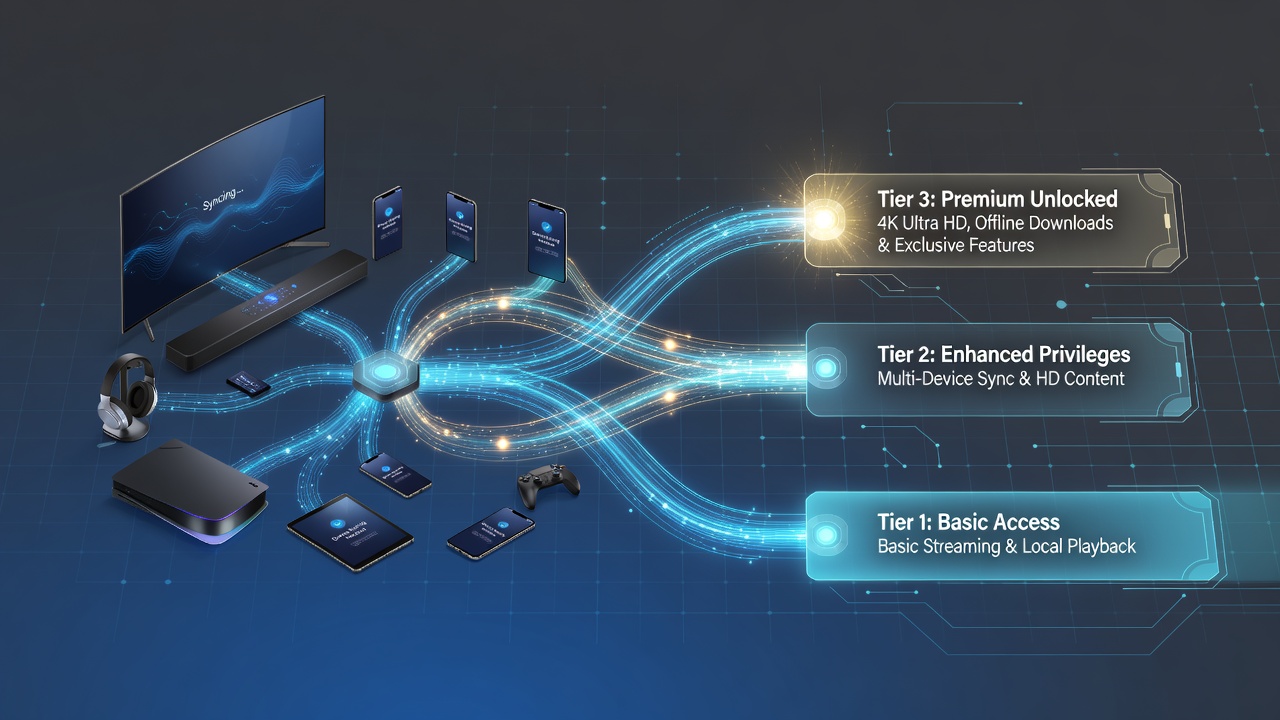
Multi-device entertainment platforms coordinate verification protocols with membership privilege structures to maintain consistent access across smartphones, tablets, smart televisions and gaming consoles. Data from industry reports indicate that synchronization failures occur when authentication tokens expire at different rates on separate endpoints, leading to interrupted content streams or delayed privilege upgrades. Researchers at technical institutions have documented these patterns through log analysis of session handoffs between devices registered to the same account.
Core Components of Verification Protocols
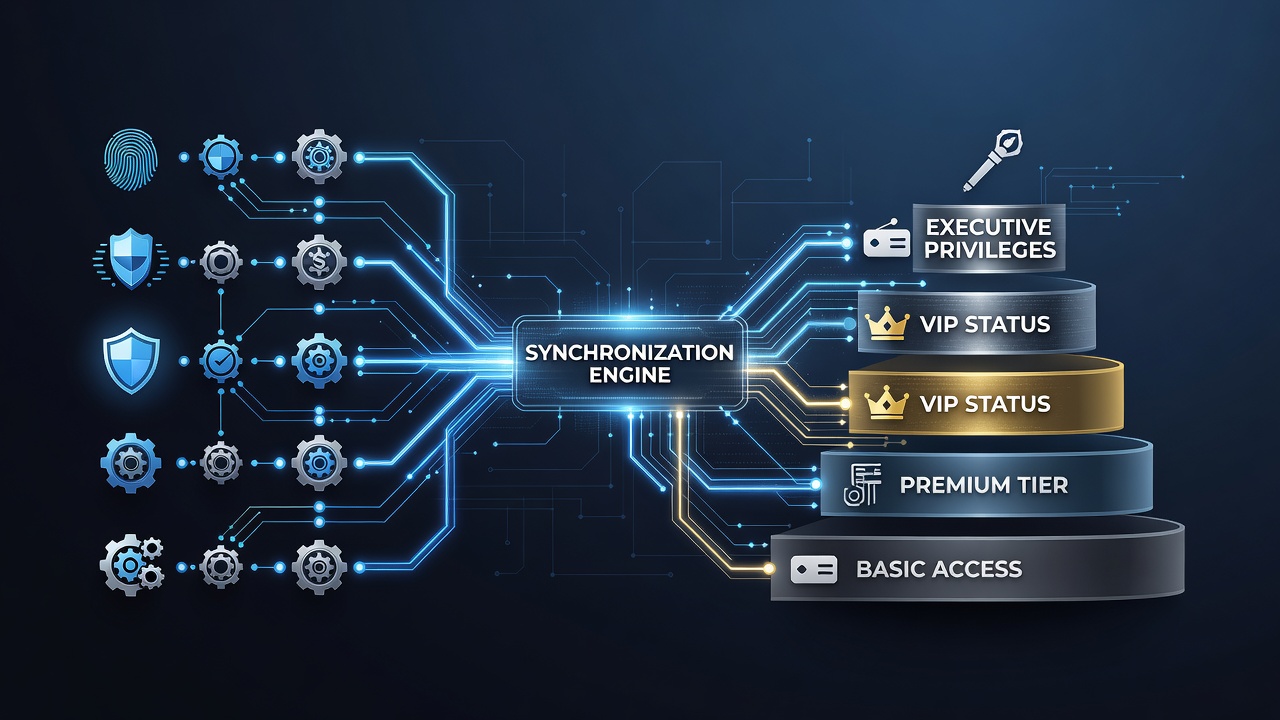
Verification protocols rely on token-based authentication that issues time-limited credentials upon initial login, then refreshes them through secure channels when users switch devices. Standards bodies such as the International Telecommunication Union have outlined requirements for these tokens to carry metadata about device type and location, allowing servers to detect anomalies during cross-device transitions. In July 2026, updated specifications from several standards organizations are scheduled to introduce mandatory device fingerprinting elements that strengthen token validation without increasing latency.
Systems often employ multi-factor methods that combine passwords with biometric checks or hardware keys, yet synchronization demands that these factors align across all registered devices simultaneously. When one device completes a new verification step, the central server must propagate updated privilege flags to every endpoint before the next content request occurs.
Escalating Membership Privileges and Their Triggers
Membership tiers advance through usage metrics, payment milestones or time-based retention rules, each tier unlocking additional features such as higher resolution streams, offline downloads or priority support. Privilege escalation triggers activate only after verification confirms the account holder controls every linked device, preventing unauthorized upgrades. Observers note that platforms track cumulative engagement across formats so that activity on a mobile app contributes equally to tier progress as time spent on a living-room console.
Integration Challenges Across Platforms
Real-time synchronization requires databases to maintain a unified view of account state while handling concurrent requests from multiple devices. One study revealed that latency spikes during peak hours can desynchronize privilege data, causing a user to receive base-tier content on one screen while another device already displays upgraded options. Engineers address this through eventual-consistency models that queue updates and reconcile them once network conditions stabilize.
Regional regulations influence how quickly platforms must notify users of privilege changes. Australian communications authorities, for instance, require disclosure of data-handling practices tied to membership upgrades, whereas Canadian regulators emphasize consent mechanisms before cross-device data sharing occurs. These rules shape the technical architecture by mandating audit logs that record every synchronization event.
Observed Patterns in Production Environments
Analysis of large-scale deployments shows recurring sequences where verification renewal on a primary device precedes privilege recalculation on secondary devices by several seconds. During that interval, content servers may deliver mixed-tier experiences until reconciliation completes. Technicians mitigate the gap by prefetching updated tokens during idle periods, a technique documented in proceedings from the Association for Computing Machinery conferences on distributed systems.
Edge cases arise when users add new devices after a membership tier has already advanced, requiring the system to retroactively apply elevated privileges without forcing a full re-authentication cycle. Patterns indicate that batch processing of such additions reduces server load while preserving session continuity on existing hardware.
Conclusion
Synchronization between verification protocols and membership escalations depends on coordinated token management, consistent metadata propagation and regulatory-compliant logging. Continued refinement of these mechanisms supports seamless experiences as entertainment consumption spans an expanding array of portable and stationary devices. Figures from ongoing deployments illustrate measurable reductions in access interruptions when platforms adopt unified state models that update all endpoints within defined time windows.