Tracing Digital Wallet Pathways That Shape Tiered Player Benefits Across Portable and In-Person Wagering Formats
Written by Vera Franke · Jul 26, 2026
Tracing Digital Wallet Pathways That Shape Tiered Player Benefits Across Portable and In-Person Wagering Formats
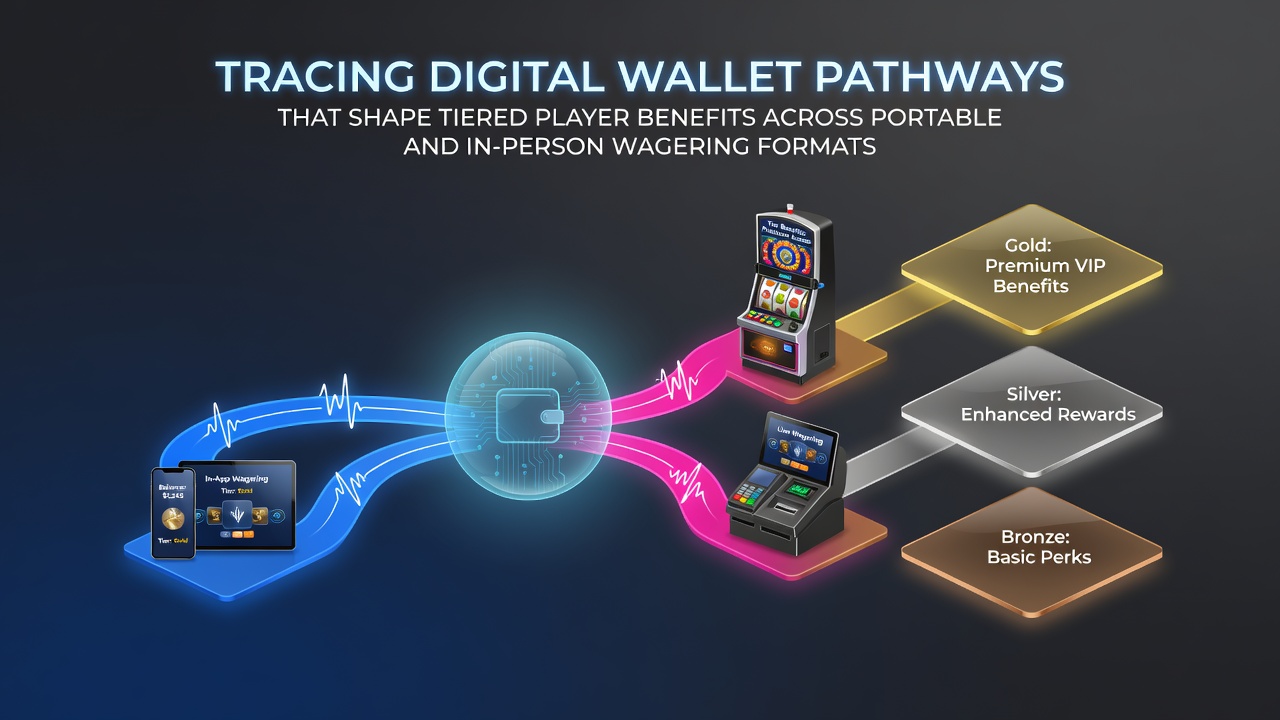
Digital wallet pathways now form the backbone of how wagering platforms track activity and assign tiered rewards, linking portable apps with physical casino floors through continuous data streams that update player profiles in real time. Operators integrate these systems so that deposits, wagers, and redemptions move across formats without resetting loyalty counters, which allows a single account to accumulate benefits whether a user spins reels on a phone or places chips at a live table.
Core Mechanics of Wallet Integration
Transaction ledgers record every transfer from a user's digital wallet into both mobile interfaces and on-site kiosks, then route those figures into centralized loyalty engines that calculate tier progression based on total handle rather than isolated sessions. Research from state gaming commissions shows that this unified tracking reduces fragmentation, because points earned on handheld devices carry over automatically when the same player authenticates at a land-based terminal later the same day.
Payment rails such as instant bank transfers and stored-value accounts feed directly into reward algorithms, so volume thresholds for silver or gold status reflect combined activity across channels. In July 2026 several multi-state operators completed upgrades that synchronized wallet APIs with existing player management software, shortening the delay between a completed wager and the posting of loyalty credits from hours to seconds.
Cross-Format Reward Escalation
Tier structures reward consistent engagement measured through wallet activity, granting accelerated point multipliers once a player crosses defined spend bands that span both portable and venue-based play. Observers note that participants who alternate between mobile sessions and in-person visits often reach higher tiers faster because the pathway records every verified transaction under one profile identifier.
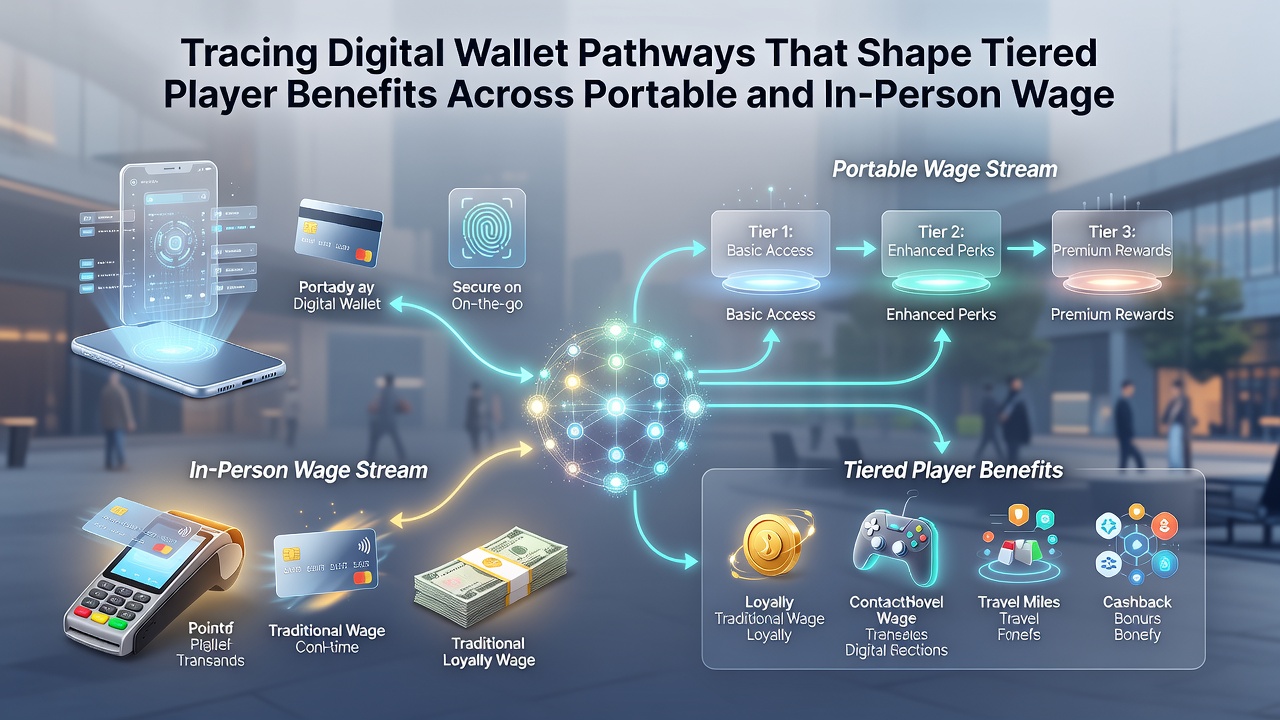
Case studies compiled by industry research groups illustrate how a player depositing via wallet on a tablet during morning commute hours can later present the same account at an evening table game and receive immediate recognition of accumulated volume. Those who've examined the data find that operators using unified wallet pathways report higher retention rates at mid-tier levels compared with systems that treat mobile and venue play as separate ledgers.
Regulatory and Technical Standards
Gaming regulators in multiple jurisdictions now require audit trails that follow funds from digital wallet to final settlement, ensuring tier calculations remain transparent and verifiable across formats. Data released by the New Jersey Division of Gaming Enforcement indicates that platforms maintaining these trails experience fewer disputes over reward eligibility because every step of the pathway leaves an immutable record.
Technical standards published by the European Gaming and Betting Association emphasize API compatibility between wallet providers and casino management systems, which reduces latency when updating tier status after cross-format play. Operators that adopted these standards early report smoother integration when expanding from mobile-only to hybrid offerings that include physical venues.
Practical Examples Across Regions
One operator in Australia implemented wallet-linked loyalty cards that update tier standing instantly whether the transaction originates from a phone app or a casino floor terminal, resulting in measurable increases in cross-channel volume. Similar pilots in Canadian provinces have shown that players who maintain active wallet connections across both formats reach elite tiers at higher rates than those limited to single-channel deposits.
Academic papers from the University of Nevada, Reno track how wallet pathways influence reward distribution, revealing that combined mobile and in-person handle produces more even tier spreads than segmented tracking alone. These findings align with operational reports indicating reduced churn once players see their full activity reflected in a single escalating benefit structure.
Conclusion
Digital wallet pathways continue to reshape how tiered benefits are calculated and delivered by creating continuous records that span portable and in-person wagering. As synchronization between these channels advances, operators gain clearer visibility into total player value while participants receive recognition that reflects their complete engagement pattern rather than isolated activity.