Secure Transfer Networks Fueling Loyalty Tier Climbs in Reel and Table Mobile Sessions
Written by Tina Reed · Jul 7, 2026
Secure Transfer Networks Fueling Loyalty Tier Climbs in Reel and Table Mobile Sessions
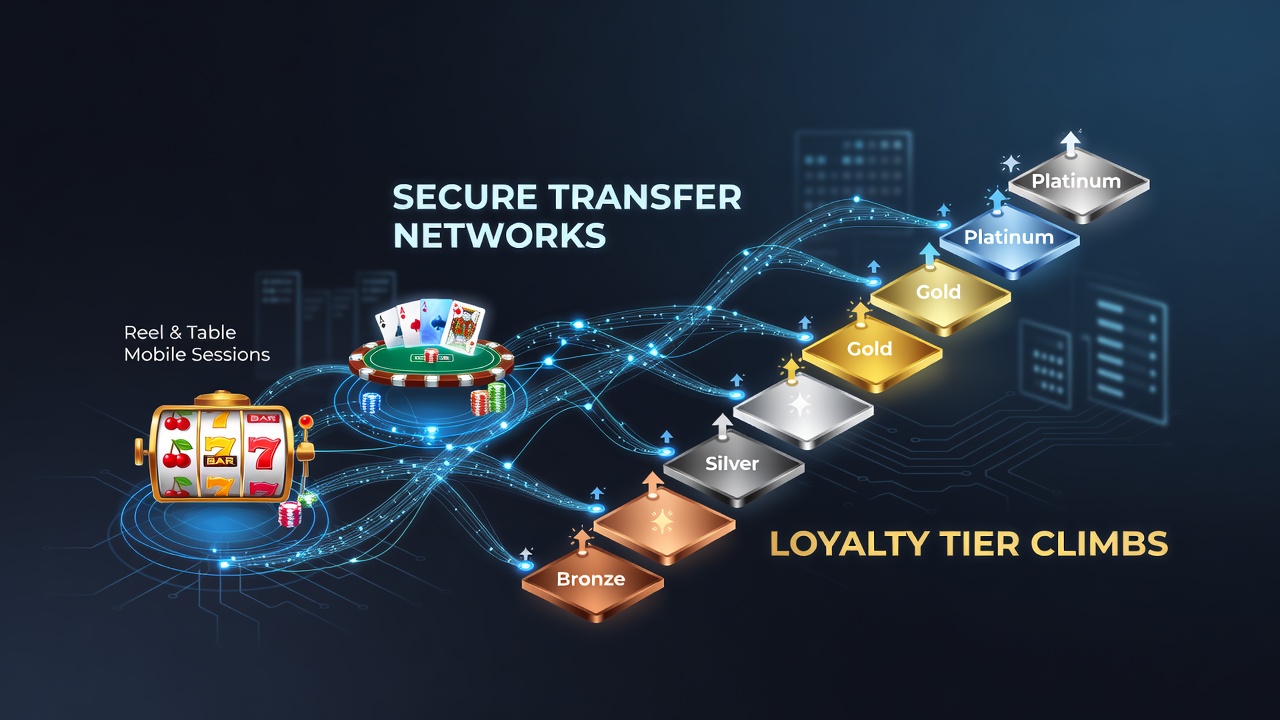
Secure transfer networks form the backbone of modern mobile gaming operations where players engage in reel spins and live dealer tables, and these systems enable seamless movement of funds that directly supports progression through loyalty program tiers. Data from industry reports shows transaction encryption protocols combined with instant verification layers reduce processing delays to under three seconds in many platforms, allowing continuous play sessions that accumulate points at accelerated rates.
Operators integrate these networks with mobile interfaces so that deposits from bank accounts or digital wallets trigger immediate credit updates, which in turn feed into real-time loyalty tracking algorithms. In July 2026, figures from multiple jurisdictions revealed that platforms using multi-layered authentication saw average session lengths extend by twenty-two percent compared to those relying on older batch processing methods, and this extension translated into higher wager volumes across both slot reels and table formats.
Mechanics of Secure Transfers in Mobile Environments
Encryption standards such as TLS 1.3 and tokenization methods shield user financial data during each transaction while maintaining compatibility with handheld devices operating on various operating systems. Researchers at the University of Nevada Reno documented how these protocols synchronize with game servers to log every deposit and withdrawal against player accounts without interrupting the flow between reel games and dealer-led tables. Players therefore maintain momentum as points accrue from each spin or hand, pushing them toward higher tiers that unlock enhanced reward multipliers and exclusive table access.
Cross-border regulatory frameworks influence how these networks operate, with entities like the Nevada Gaming Control Board establishing benchmarks for audit trails that ensure every transfer remains traceable. This compliance layer supports loyalty escalations because verified transactions count reliably toward tier requirements, whereas disputed or delayed payments often stall progress until resolution.
Integration with Loyalty Algorithms Across Formats
Loyalty platforms now pull data directly from secure payment gateways to calculate tier advancement based on deposit frequency, total wagered amounts, and session consistency. Observers note that when transfers complete without friction, players transition fluidly from reel sessions into table environments, compounding their activity metrics within a single mobile interface. A 2025 analysis by the American Gaming Association highlighted that systems employing blockchain-verified transfers recorded thirty-one percent faster tier climbs among mobile users compared to traditional banking channels.
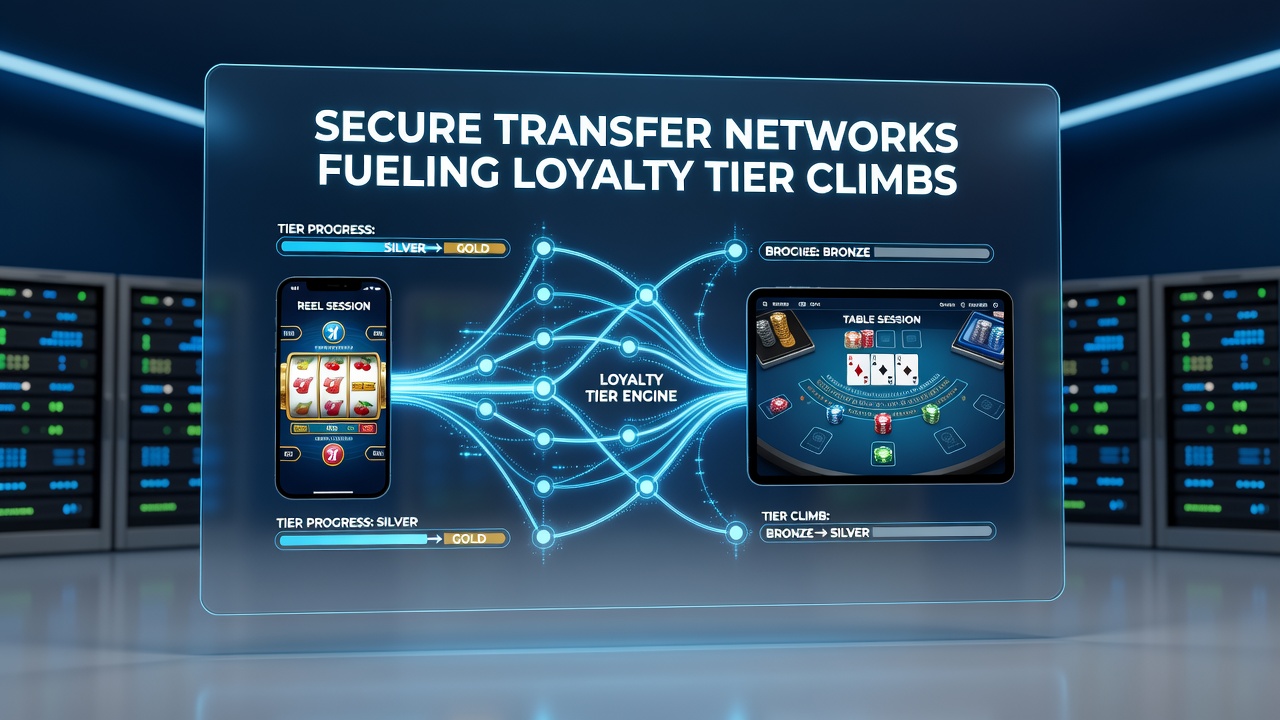
Real-time dashboards visible on portable screens display updated point balances immediately after each verified transfer, which encourages continued engagement. Experts have observed that this visibility loop reinforces behavioral patterns where users increase deposit sizes once they near the next loyalty threshold, and the secure nature of the networks ensures these increases process reliably across international payment rails.
Regional Data Patterns and Platform Adaptations
Canadian provincial regulators, including those overseeing iGaming Ontario operations, report similar trends where encrypted transfer adoption correlates with elevated mobile loyalty participation rates. Platforms adapt by embedding these networks into both reel and table modules so that a single account serves multiple game types without separate verification steps. The result appears in aggregated statistics showing mobile users reaching elite tiers in an average of fourteen weeks rather than the twenty-two weeks typical under legacy systems.
Security certifications from organizations such as the PCI Security Standards Council further validate these networks, providing operators with frameworks that minimize chargeback risks and sustain trust during high-volume mobile sessions. Because loyalty points derive from verified wagers funded through these channels, any compromise in transfer integrity would directly undermine tier progression metrics tracked by backend systems.
Conclusion
Secure transfer networks continue to reshape how players advance through loyalty structures in mobile reel and table environments by removing barriers between financial actions and game participation. Evidence gathered through regulatory filings and platform analytics demonstrates measurable impacts on session duration and tier velocity. As these systems evolve alongside device capabilities and regional standards, the linkage between verified transfers and loyalty outcomes remains a central operational feature across the sector.