Regulatory Intersections Shaping Randomization Standards in Cross-Border Digital Wagering Systems
Written by Vera Franke · Jun 5, 2026
Regulatory Intersections Shaping Randomization Standards in Cross-Border Digital Wagering Systems
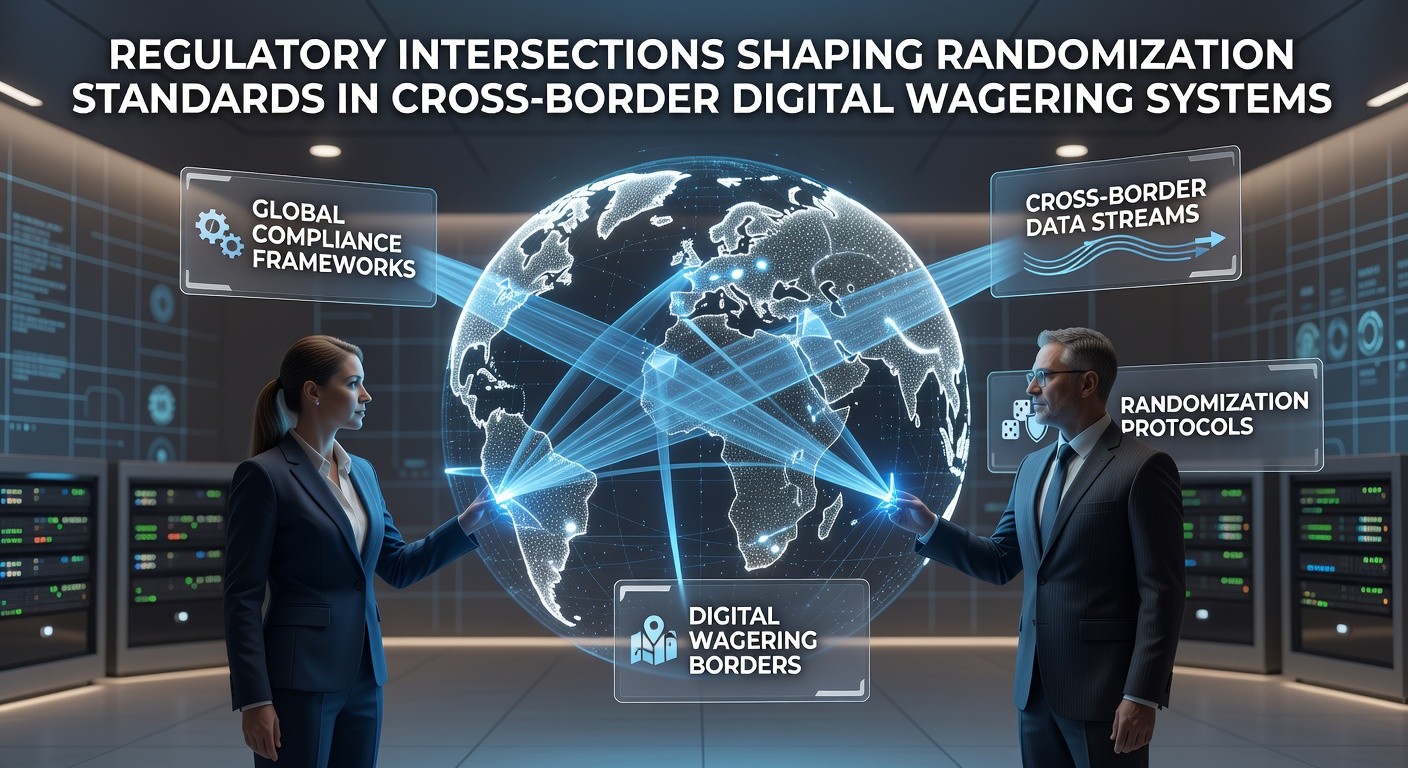
Cross-border digital wagering systems rely on certified random number generators to ensure fair play across multiple jurisdictions, yet regulatory intersections create layered compliance requirements that operators must navigate carefully. Different regions maintain distinct certification protocols, testing frequencies, and audit procedures, which means a single platform often needs to satisfy several overlapping standards simultaneously. Observers note that these intersections have grown more complex as digital wagering expands into new markets while existing frameworks continue to evolve.
Core Regulatory Frameworks and Their Overlaps
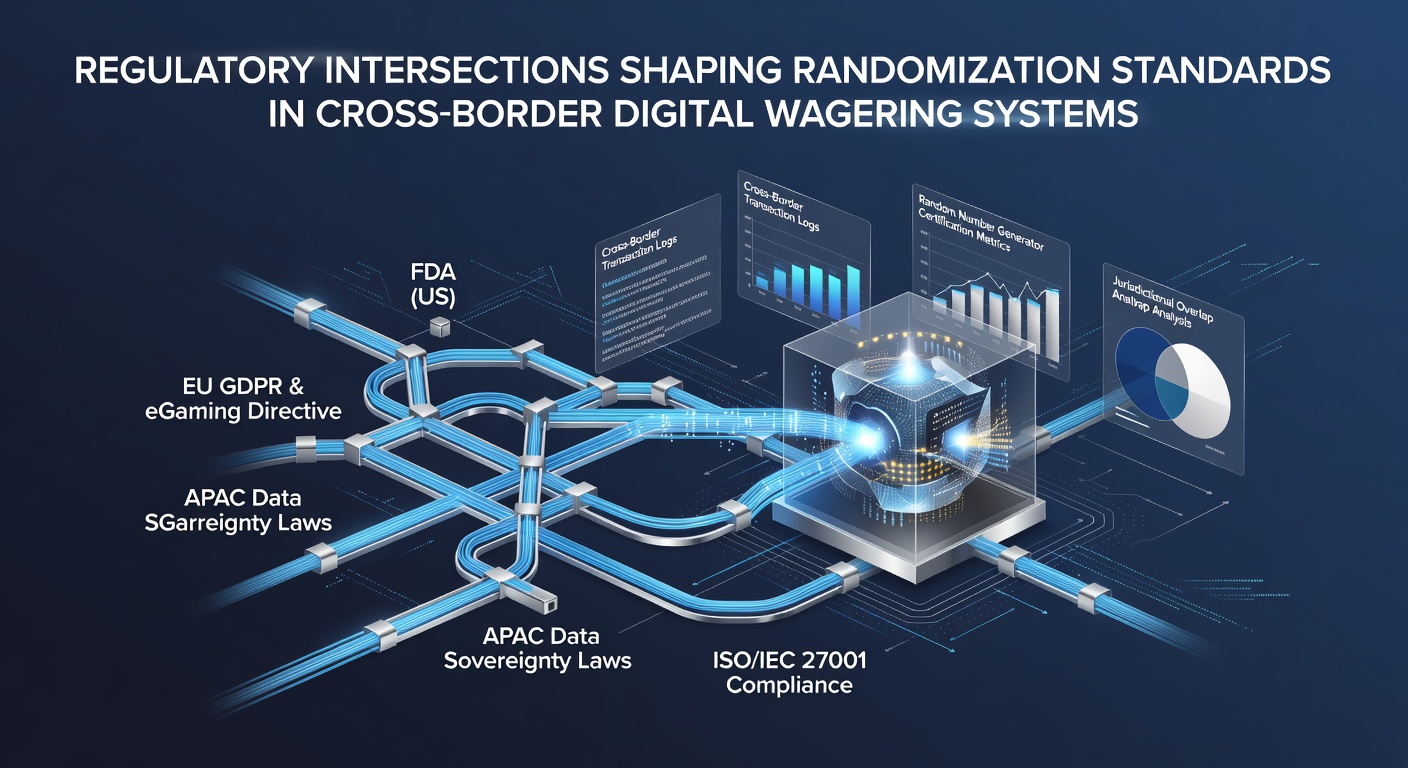
Authorities in various countries establish RNG standards through legislation and licensing conditions, and operators active in multiple territories find themselves aligning with each set of rules at once. Data from industry reports shows that certification bodies such as GLI and iTech Labs perform testing according to jurisdiction-specific parameters, including sequence periodicity, return-to-player calculations, and entropy sources. When a platform serves users in both North America and Europe, for example, it must demonstrate compliance with state-level requirements in the United States alongside directives from bodies like the Malta Gaming Authority or the Alcohol and Gaming Commission of Ontario. Those who've studied these systems know that even minor differences in testing thresholds can require separate RNG instances or additional documentation layers.
What's interesting is how these frameworks intersect around technical specifications rather than broad policy goals. One study revealed that requirements for cryptographic seeding and continuous monitoring sometimes conflict in their reporting intervals, forcing operators to maintain parallel logging systems. Researchers discovered that platforms handling live dealer integrations alongside slots face extra scrutiny because randomization must remain consistent across game types while satisfying each regulator's data-retention rules.
Technical Challenges in Multi-Jurisdictional RNG Certification
Engineers working on cross-border platforms encounter practical difficulties when a single RNG algorithm must pass divergent evaluation criteria. Certification labs apply statistical batteries such as Diehard or NIST suites, yet some jurisdictions mandate additional proprietary tests or extended runtime periods before approval. According to figures from the International Association of Gaming Regulators, operators report spending between six and eighteen months securing initial approvals across three or more markets, with subsequent updates requiring parallel submissions. And because updates to underlying software trigger re-testing, the process repeats whenever new game titles or payment integrations are introduced.
Take one operator that expanded from Canadian provinces into Australian states: the company had to reconcile Ontario's emphasis on real-time anomaly detection with New South Wales requirements for periodic third-party audits. The reality is that these differences affect not only technical architecture but also operational workflows, including how audit reports are formatted and submitted. Experts have observed that smaller providers sometimes partner with larger compliance platforms to manage the volume of documentation, while larger entities maintain dedicated regulatory affairs teams.
Emerging Developments Through Mid-2026
Regulatory bodies continue to refine standards in response to technological advances such as blockchain-based verification and cloud-hosted RNG services. In June 2026, several jurisdictions are scheduled to review updated technical guidelines that address quantum-resistant algorithms and enhanced entropy requirements. Those who've followed these timelines know that coordinated announcements from North American and European regulators could reduce certain redundancies, although full harmonization remains unlikely given differing consumer-protection priorities. Data indicates that consultation periods typically last twelve to eighteen months, meaning any changes finalized in mid-2026 would likely take effect in subsequent licensing cycles.
Industry organizations such as the World Lottery Association have published comparative analyses that map commonalities across RNG standards, helping operators identify areas where a single certification might suffice for multiple markets. Yet gaps persist around live dealer randomization and hybrid game formats, prompting ongoing discussions at international forums. Observers note that platforms investing early in modular RNG architectures stand better positioned to adapt when new rules take hold.
Conclusion
Regulatory intersections continue to define how randomization standards operate within cross-border digital wagering, requiring operators to balance technical compliance with administrative efficiency. As frameworks evolve through 2026 and beyond, the emphasis remains on verifiable fairness across every participating jurisdiction. Those monitoring these developments recognize that successful navigation depends on understanding both the shared principles and the distinct requirements that shape each regulatory landscape.