Mapping Layered Incentives: How Electronic Transfers Shape Elite Perks Across Reel Spins, Dealer Tables, and Handheld Interfaces
Written by Blake Lorenz · May 17, 2026
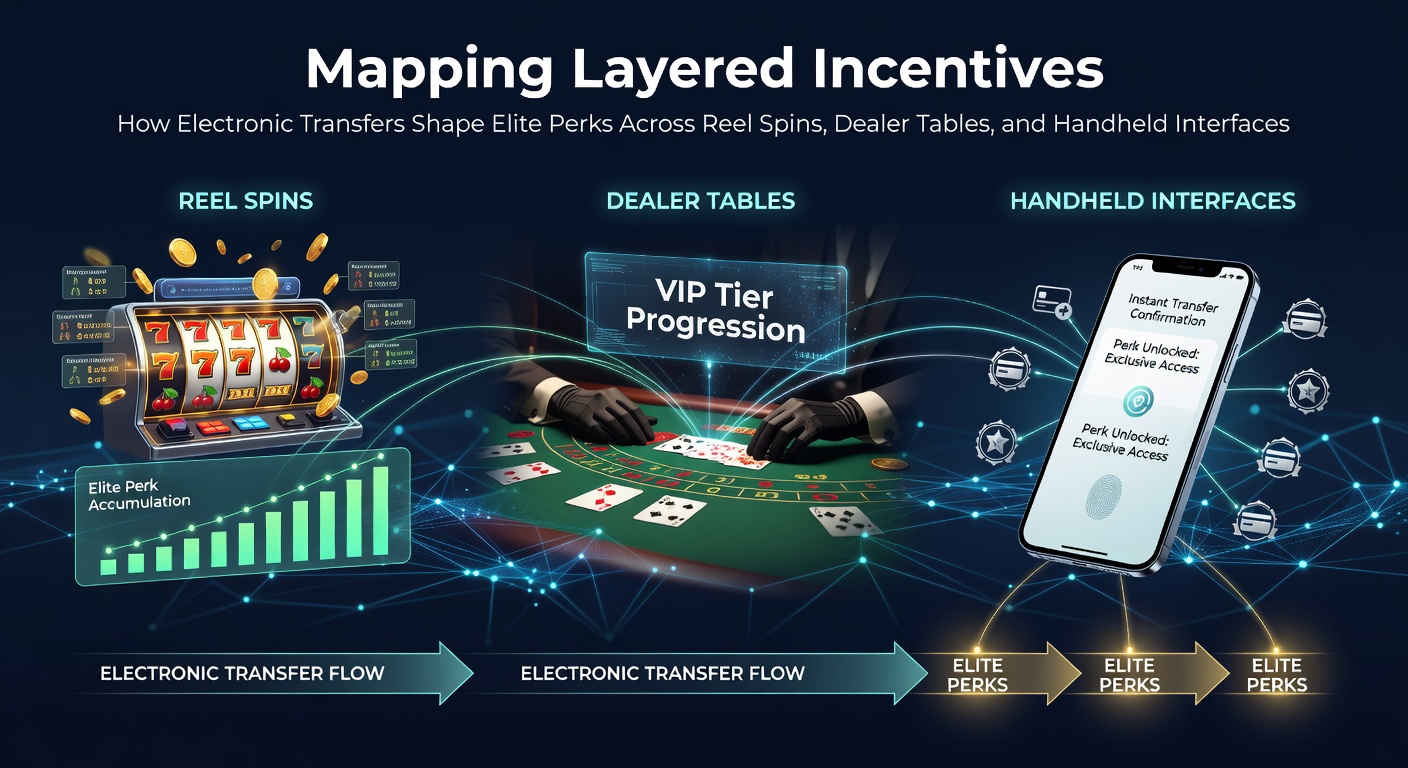
Mapping Layered Incentives: How Electronic Transfers Shape Elite Perks Across Reel Spins, Dealer Tables, and Handheld Interfaces
Electronic transfers have become central to how casinos structure their incentive programs, creating layered systems that reward players based on activity across slots, table games, and mobile platforms. These systems track deposits, withdrawals, and spending patterns in real time, allowing operators to assign tiered benefits that scale with volume and frequency of play. Research from industry analysts shows that seamless payment integration directly influences eligibility for exclusive rewards, turning routine transactions into gateways for higher status levels.
Electronic Transfers and Reel Spins Incentives
Slot machines, often referred to as reel spins, connect to electronic transfer networks that monitor coin-in totals and trigger automatic upgrades. Players who route funds through approved digital channels gain access to escalating free spin allocations, bonus multipliers, and personalized reel features tied to their deposit history. Data from gaming reports indicates that operators adjust these layers monthly, with higher transfer volumes unlocking private progressive jackpots reserved for verified high-activity accounts.
What's notable here is the way transfer speed affects reward timing, since instant confirmations let systems credit perks before the next session begins. Observers note that casinos using integrated banking APIs report steadier player retention in this segment because rewards appear immediately after qualifying transfers. One study released in early 2025 found that slot floors equipped with these tools saw a measurable rise in repeat sessions among users who maintained consistent electronic funding patterns.
Layering Perks at Dealer Tables
Table games operate under a different incentive map, yet they still rely on electronic transfers to validate player status and deliver targeted comps. High-limit rooms grant access to dedicated hosts, reduced rake structures, and invitation-only tournaments once transfer records demonstrate sustained play volume. These benefits stack in tiers, starting with basic table credit lines and advancing to private dealer assignments plus travel allowances for qualifying patrons.
Figures from regulatory filings reveal that electronic verification reduces approval times for table-side rewards from days to minutes, which in turn supports more fluid movement between game types. Experts tracking these systems point out that transfer-linked tracking helps operators balance table minimums against individual spending profiles without manual intervention. As of May 2026, several major properties have expanded their dealer table programs to include cross-platform bonuses that activate only after electronic funds clear specific thresholds.
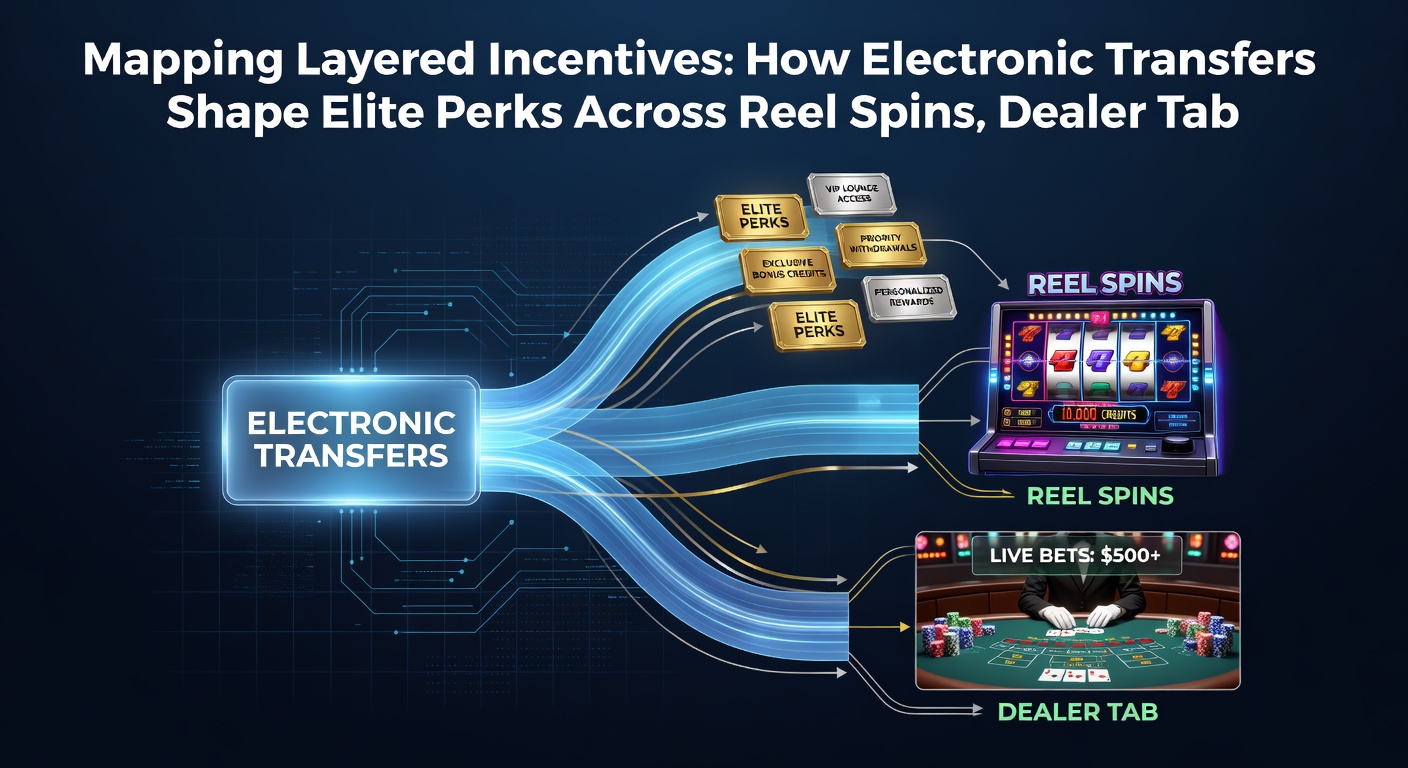
Handheld Interfaces and Mobile Perk Structures
Mobile platforms extend the same layered approach through handheld interfaces that sync directly with casino banking systems. Users receive push notifications for time-sensitive offers, such as boosted loyalty points or exclusive tournament entries, triggered by recent electronic transfers. These interfaces display real-time progress toward the next tier, complete with visual breakdowns of how much additional activity is required to unlock premium features like faster cashouts or custom game libraries.
Industry data compiled by research firms shows mobile transfer activity now accounts for a growing share of overall play volume, prompting operators to refine their algorithms accordingly. Those who study these patterns observe that handheld apps often bundle incentives across game categories, so a qualifying slot session can simultaneously advance table-game privileges. The result is a unified map where one transfer influences rewards visible on every connected device.
Connecting the Layers Across Platforms
The full mapping of these incentives requires viewing reel spins, dealer tables, and handheld interfaces as interconnected nodes rather than isolated areas. Electronic transfers serve as the common thread, feeding a central database that recalculates eligibility across all three environments. Casinos that maintain this unified view report smoother transitions when players shift from mobile sessions to live table play, since status updates travel with the verified funds.
According to findings published by the American Gaming Association, properties investing in integrated transfer infrastructure achieve higher average reward redemption rates because players can see and claim benefits without friction. Yet another source, a 2025 report from the University of Nevada's gaming research center, documented how transfer history influences long-term tier advancement, with mobile users progressing faster when their activity spans multiple game types.
Conclusion
Electronic transfers continue to redefine how casinos distribute elite perks by providing the data backbone for layered incentive systems. Across reel spins, dealer tables, and handheld interfaces, these mechanisms create clear pathways from basic participation to premium status, all governed by transparent transaction records. The structure remains dynamic, with operators updating thresholds and benefits in response to player behavior patterns observed through these same digital channels.