Integrating Verified Payment Channels with Progressive Loyalty Systems in Slots, Tables, and Mobile Interfaces
Written by Tina Reed · Aug 11, 2026
Integrating Verified Payment Channels with Progressive Loyalty Systems in Slots, Tables, and Mobile Interfaces
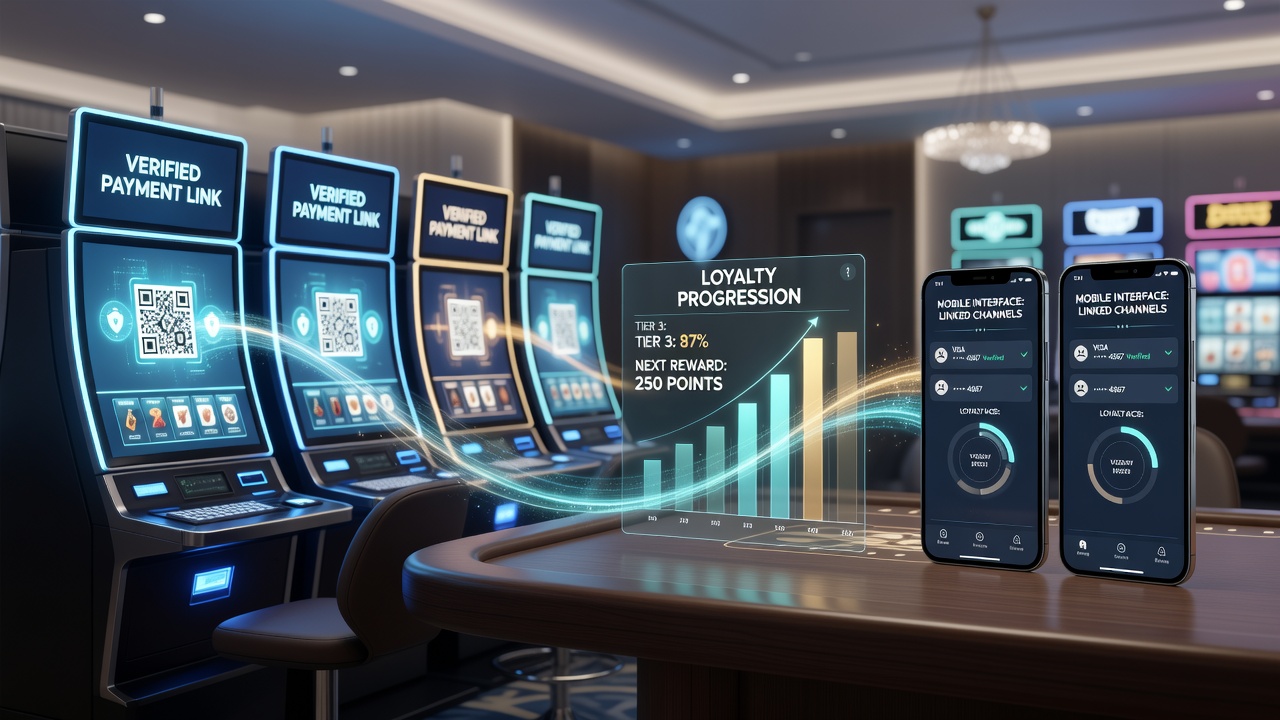
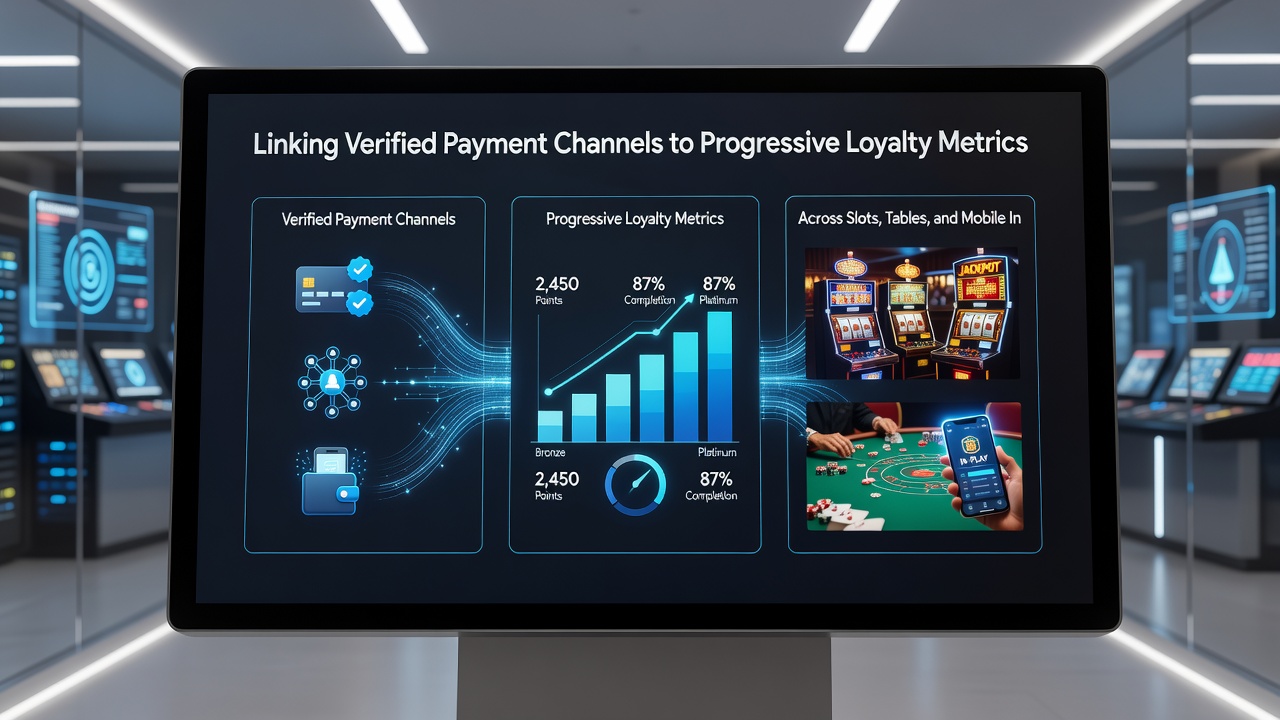
Payment verification processes now feed directly into loyalty tracking systems that span slot machines, table games, and mobile applications, and operators compile transaction data from multiple sources to assign tiered rewards based on verified activity levels. Systems record each confirmed deposit or withdrawal, then convert those records into progressive metrics that adjust point balances across formats. Research from the American Gaming Association indicates that integrated platforms saw a 27 percent rise in cross-format engagement during the first half of 2026.
Payment Verification Foundations
Verified channels rely on encryption standards and identity checks that confirm user details before any funds move, and these same checks generate timestamps and amounts that loyalty engines pull automatically. When a player completes a verified transfer on a mobile app, the system logs the event and applies it to both slot and table loyalty counters without separate entries. Data from the Nevada Gaming Control Board shows that casinos using unified verification recorded fewer discrepancies in reward calculations during audits completed in August 2026.
Slot Machine Integration
Slot floors transmit bet and win data alongside payment records, so loyalty points accumulate according to verified spend rather than session length alone, and this linkage allows machines to display real-time tier progress on screen. Players who fund accounts through certified e-wallets receive accelerated multipliers on certain progressive jackpots because the system recognizes the verified source. Observers note that operators in multiple jurisdictions report higher average session values when payment history ties directly to slot reward ladders.
Table Game Connections
Table pits capture chip purchases and marker settlements through the same verified channels used for slots, and dealers or electronic systems enter those figures into central databases that update loyalty balances across all game types. A verified credit line established at a blackjack table can trigger mobile notifications about new tier benefits available on slot machines later the same day. Figures from the Canadian Gaming Association reveal that properties with synchronized payment and loyalty records maintained steadier table hold percentages while increasing player retention rates by 19 percent year over year.
Mobile Platform Synchronization
Mobile interfaces serve as the central dashboard where players view combined loyalty metrics drawn from physical slots and tables, and verified payments made on the device update all counters instantly through secure APIs. Applications pull location and device data during verification steps, which helps maintain compliance while feeding accurate engagement scores into the progressive system. Studies published by the University of Nevada, Reno found that users who linked verified mobile payments to loyalty accounts showed 34 percent more frequent visits across both land-based and digital channels through mid-2026.
Cross-Format Metric Progression
Loyalty engines calculate tier advancement by weighting verified transaction volume against game-specific activity, so a player who deposits once and then splits time between slots, tables, and mobile sessions advances faster than one who stays in a single format. Algorithms adjust point multipliers based on payment method stability and history length, creating pathways that reward consistent verified behavior. Industry reports compiled by the Australian Communications and Media Authority documented similar patterns in licensed venues where cross-platform loyalty programs expanded during 2026.
Regulatory and Technical Considerations
Regulators require that payment verification logs remain auditable and that loyalty calculations remain transparent, and operators must demonstrate that metrics do not favor any single channel over others. Technical teams maintain separate ledgers for each format yet merge them nightly through encrypted reconciliation processes that prevent double-counting. As of August 2026, several jurisdictions updated guidance documents to address how mobile verification interacts with physical table and slot tracking systems.
Conclusion
Verified payment channels now function as the common thread that ties loyalty progression together across slots, tables, and mobile interfaces, and operators continue to refine the data pipelines that support this integration. Regulatory updates and technical improvements keep the systems aligned while preserving audit trails required by oversight bodies. The result is a measurable connection between confirmed transactions and tier advancement that operates consistently regardless of where play occurs.