Inside Algorithmic Bridges Connecting Portable Wager Interfaces with Live Dealer Protocols through Progressive Loyalty Escalations
Written by Vera Franke · Jun 2, 2026
Inside Algorithmic Bridges Connecting Portable Wager Interfaces with Live Dealer Protocols through Progressive Loyalty Escalations
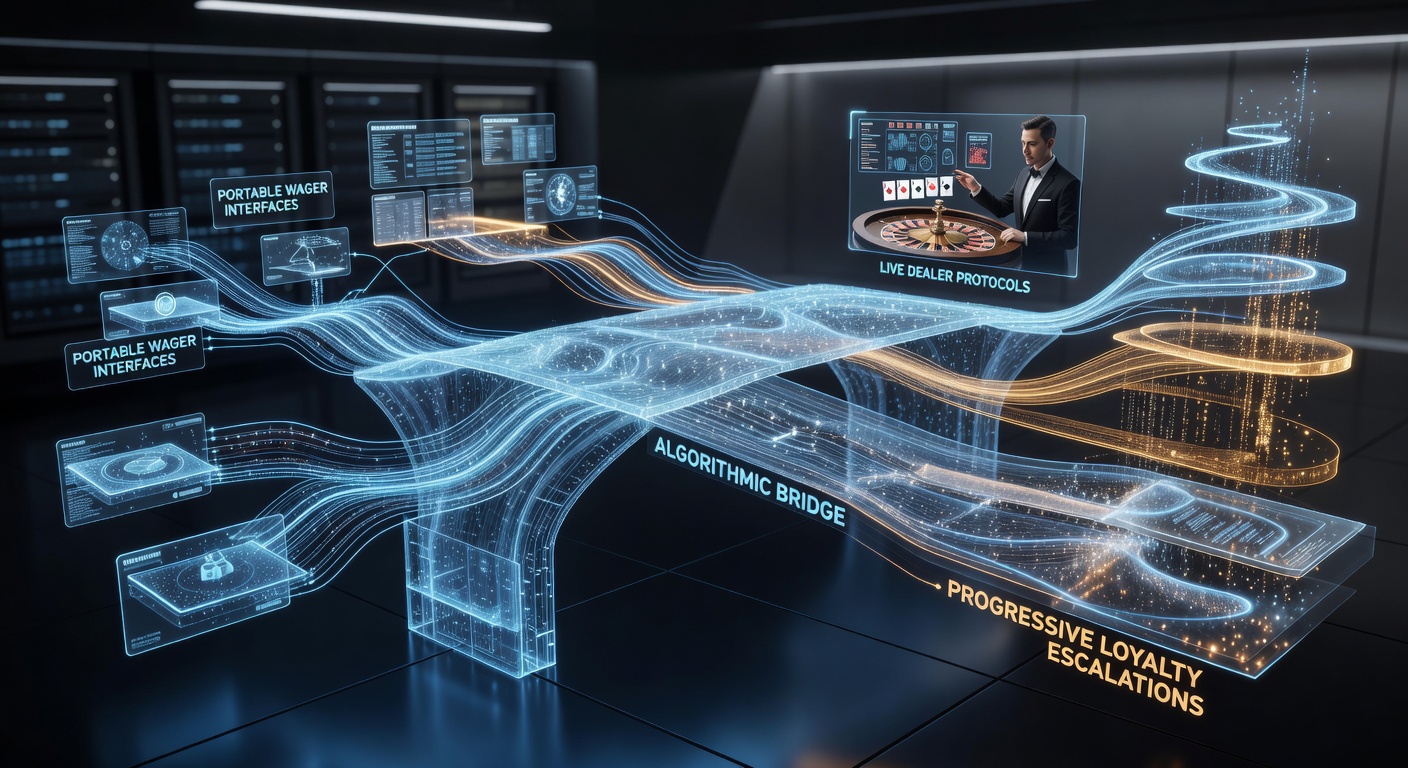
Algorithmic bridges form the technical foundation that links mobile wager interfaces to live dealer protocols, and progressive loyalty escalations serve as the mechanism that sustains engagement across these formats. These systems rely on data synchronization layers that transmit player metrics from handheld devices to centralized servers, where they influence table access, bonus triggers, and reward tiers in real time.
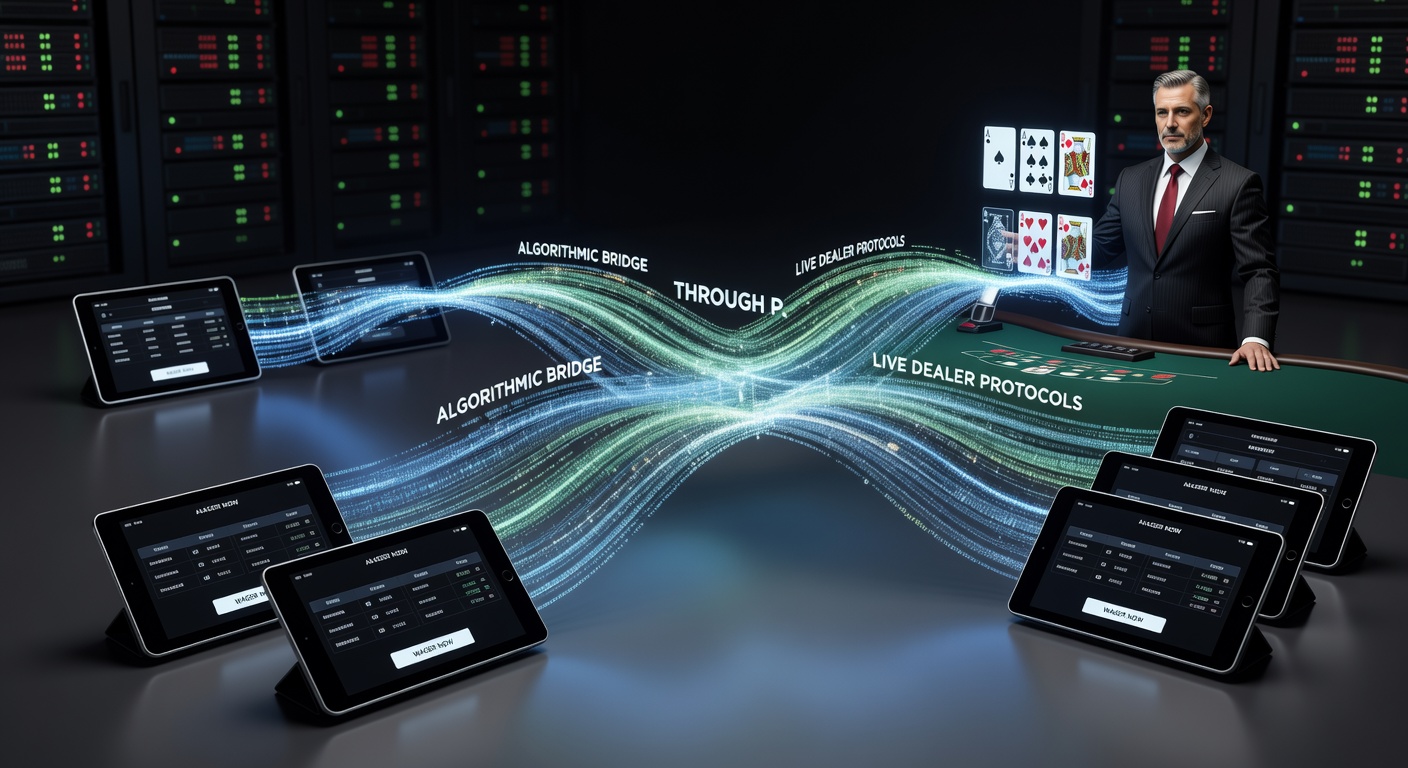
Portable wager interfaces collect inputs such as bet frequency, session duration, and game selection patterns, then route this information through application programming interfaces that connect directly to live dealer environments. Live dealer protocols, which manage video streams and physical game outcomes, receive adjusted parameters based on loyalty escalations that increase with cumulative activity.
Data Synchronization Layers in Mobile and Live Systems
Developers design these layers to handle high-volume transactions while maintaining compliance with certified random number generators and regulatory standards. When a player switches from slots on a mobile app to a live blackjack table, the algorithmic bridge updates the loyalty profile within milliseconds, which then escalates available perks such as reduced rake or priority seating.
Research from the University of Nevada's gaming technology lab shows that synchronized loyalty data improves cross-format retention rates by aligning incentives across reel-based and table-based offerings. The same study notes that escalations typically follow tiered models where points accumulate through both automated and live interactions.
Progressive Loyalty Escalations and Their Technical Triggers
Progressive loyalty escalations operate on rule-based engines that evaluate player behavior against predefined thresholds. These engines pull data from mobile interfaces, apply weighting factors for live dealer participation, and output updated status levels that affect both environments simultaneously.
One documented case involves systems where reaching a mid-tier loyalty status unlocks protocol adjustments in live dealer sessions, such as faster card shuffles or customized camera angles delivered through the mobile interface. Observers note that these adjustments rely on secure data pipelines that prevent latency issues during peak usage periods.
Integration of Certified Random Generators with Loyalty Metrics
Certified random generators remain isolated from loyalty functions to preserve outcome integrity, yet the surrounding algorithmic bridges use engagement metrics to determine reward distribution without altering core randomization processes. Industry reports from Gaming Laboratories International indicate that this separation allows operators to scale loyalty features across regions while meeting technical certification requirements.
Systems scheduled for enhancement in June 2026 will incorporate additional metric layers that track multi-device usage patterns, further tightening the connection between mobile sessions and live dealer participation. These updates focus on reducing friction during format transitions rather than changing game mechanics.
Regulatory Frameworks Governing Algorithmic Connections
Regulatory bodies in multiple jurisdictions require transparency in how loyalty escalations influence access to live dealer protocols. The Nevada Gaming Control Board, for instance, mandates logging of all data exchanges between mobile interfaces and dealer systems to ensure auditability. Similar requirements appear in frameworks administered by teh Australian Communications and Media Authority, which emphasize player protection alongside technological integration.
These frameworks do not restrict the use of progressive escalations but specify that algorithmic decisions must remain reviewable. Data from the American Gaming Association shows that operators adopting such bridges report measurable increases in cross-format activity when loyalty tiers align with live table availability.
Future Developments in Algorithmic Bridging
Additional advancements expected around mid-2026 involve expanded use of edge computing to process loyalty escalations closer to the user device, which reduces round-trip times between mobile interfaces and live dealer servers. This approach supports higher volumes of simultaneous connections without compromising protocol stability.
Technical documentation from equipment suppliers describes modular architectures that allow operators to add new loyalty rules without rebuilding entire bridging systems. Such modularity enables faster deployment of features that connect portable wager data to live dealer outcomes across different regulatory environments.
Conclusion
Algorithmic bridges that connect portable wager interfaces with live dealer protocols through progressive loyalty escalations continue to evolve through layered data integration and regulatory oversight. These systems maintain separation between randomization functions and reward mechanisms while enabling seamless transitions for players across formats. Updates planned for June 2026 aim to refine these connections further through improved processing methods and expanded metric tracking.