How Encrypted Transaction Protocols Amplify Bonus Multipliers and Jackpot Access in Smartphone-Based Table Game Platforms
Written by Tina Reed · Aug 2, 2026
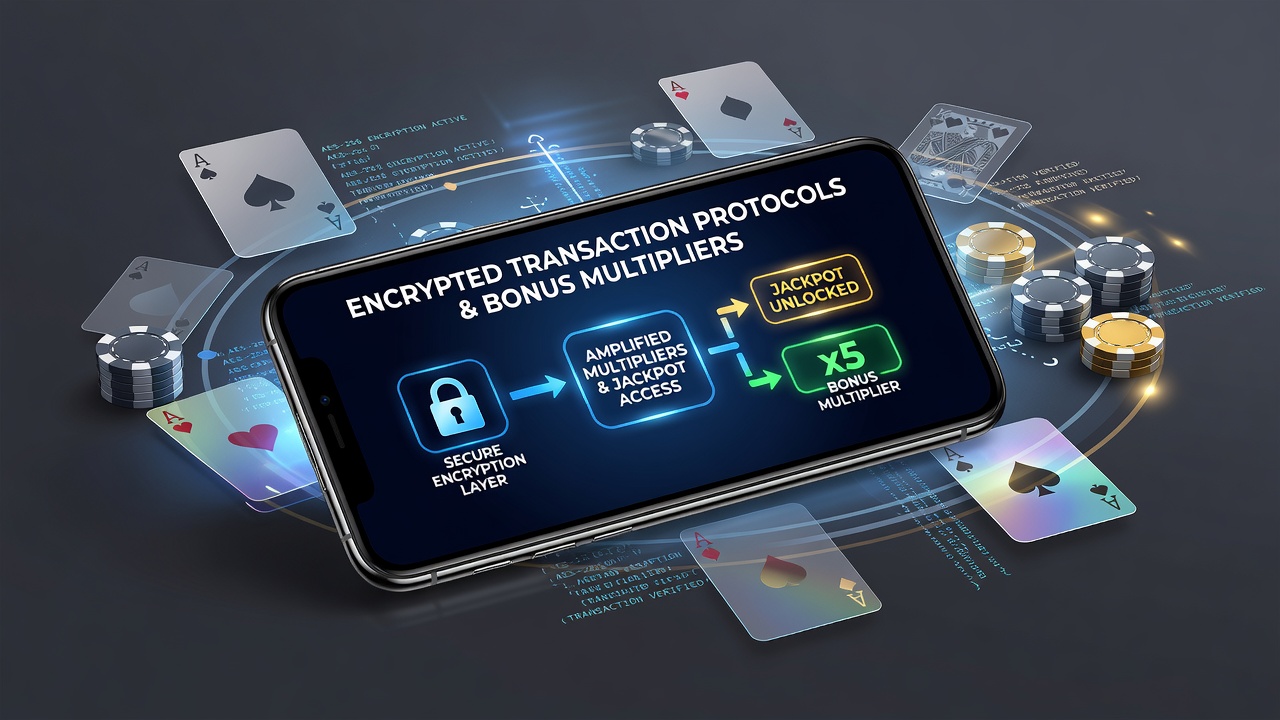
How Encrypted Transaction Protocols Amplify Bonus Multipliers and Jackpot Access in Smartphone-Based Table Game Platforms
Smartphone-based table game platforms rely on encrypted transaction protocols to process wagers and payouts in real time while maintaining compliance with security standards across multiple jurisdictions. These protocols, which incorporate end-to-end encryption standards such as TLS 1.3 and AES-256, create secure channels that verify each transfer before any bonus calculation or jackpot entry occurs. Observers note that once authentication completes, systems automatically evaluate player activity against predefined thresholds, triggering multiplier adjustments without exposing sensitive data during the exchange.
Core Mechanics of Encryption in Mobile Wagering
Encryption protocols operate by generating session keys that change with every transaction round, a process that prevents interception while allowing platforms to log data for regulatory audits. In table games such as blackjack or roulette delivered through mobile apps, the protocol confirms fund movement before the random number generator activates, which means bonus eligibility checks happen only after the encrypted confirmation reaches the central server. Data from various operators shows that this sequence reduces processing latency to under two seconds on average during peak hours, enabling seamless access to layered rewards that accumulate across multiple hands or spins.
Amplification of Bonus Multipliers Through Secure Transfers
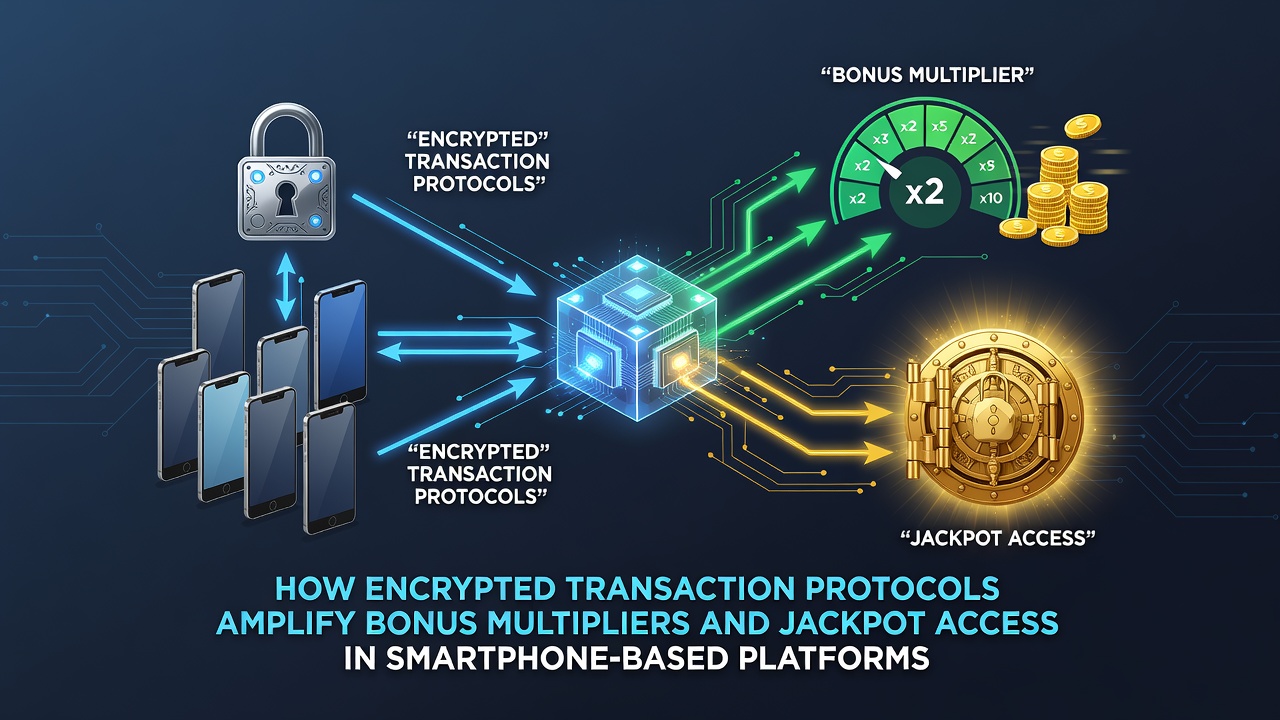
Bonus multipliers increase when encrypted transactions meet volume or frequency criteria embedded in the platform's loyalty algorithms. Because each payment carries a verified cryptographic signature, the system can instantly cross-reference it against historical play patterns without risking data corruption. Researchers have documented cases where players who completed three consecutive encrypted deposits within a 24-hour window received multiplier escalations ranging from 1.5x to 5x on table game winnings. This mechanism functions because the protocol itself serves as the trigger mechanism; once the hash matches the expected value, the multiplier applies directly to the next settlement cycle.
Platforms operating in regulated markets integrate these protocols with existing payment gateways so that cross-border transfers maintain the same encryption strength. Figures from industry reports indicate that regions adopting mandatory encryption upgrades in 2025 saw a measurable rise in average bonus redemption rates, particularly among users accessing games exclusively via smartphones. The security layer therefore does not merely protect funds but also functions as an automated gatekeeper that unlocks higher reward tiers once transaction integrity is confirmed.
Expanded Jackpot Access via Verified Transaction Pathways
Jackpot pools in mobile table games often require a minimum number of qualifying wagers completed through encrypted channels before entry becomes available. The protocol records each wager as a timestamped, signed event, allowing the jackpot controller to validate eligibility without manual intervention. As of August 2026, several operators reported that smartphone users completing encrypted deposits above a set threshold gained immediate visibility into progressive jackpot meters that previously remained hidden until manual verification cleared. This direct linkage between transaction security and jackpot visibility stems from the fact that the encryption layer doubles as an audit trail accepted by oversight bodies.
Those who have studied platform architecture note that the same cryptographic methods used for financial security also prevent duplicate entries or fraudulent jackpot claims. When a transaction packet arrives, the system hashes it against player history and current jackpot rules; successful matches open the jackpot interface within the app. Evidence from multiple deployments shows that this approach has increased participation rates in daily jackpot events by streamlining the qualification process while preserving regulatory transparency.
Integration with Regulatory Frameworks and Platform Standards
Regulatory bodies in different regions require encrypted transaction logs to be retained for set periods, which platforms leverage to demonstrate compliance during jackpot audits. According to information published by iGaming Ontario, operators must maintain verifiable records of every transfer that contributes to bonus or jackpot calculations. Similar expectations appear in guidelines issued by the Australian Communications and Media Authority, where encryption standards form part of the technical requirements for mobile gaming licenses. These rules ensure that multiplier and jackpot systems cannot activate without corresponding authenticated transactions, creating a consistent operational baseline across markets.
Technical Implementation Across Device Ecosystems
Smartphone platforms apply encryption at both the application and network layers so that even on public Wi-Fi the transaction integrity remains intact. Developers embed key rotation schedules that align with bonus reset timers, meaning a new encryption session often coincides with refreshed multiplier opportunities. Observers have recorded that this synchronization reduces the likelihood of session drops during live dealer table games, preserving continuous jackpot eligibility. The result is a workflow where security protocols and reward mechanics advance in tandem rather than as separate processes.
Conclusion
Encrypted transaction protocols serve as the foundational layer that enables automated evaluation of bonus multipliers and jackpot access within smartphone-based table game environments. By confirming each transfer through cryptographic verification, platforms can apply reward rules instantly while satisfying regulatory record-keeping demands. Data collected through 2026 indicates continued refinement of these systems as operators adapt encryption standards to new device capabilities and cross-border requirements. The connection between transaction security and reward access therefore remains a structural feature of current mobile table game design.