How Electronic Transfers Shape Tiered Loyalty in Portable Table Games
Written by Sofia Frank · Aug 25, 2026
How Electronic Transfers Shape Tiered Loyalty in Portable Table Games
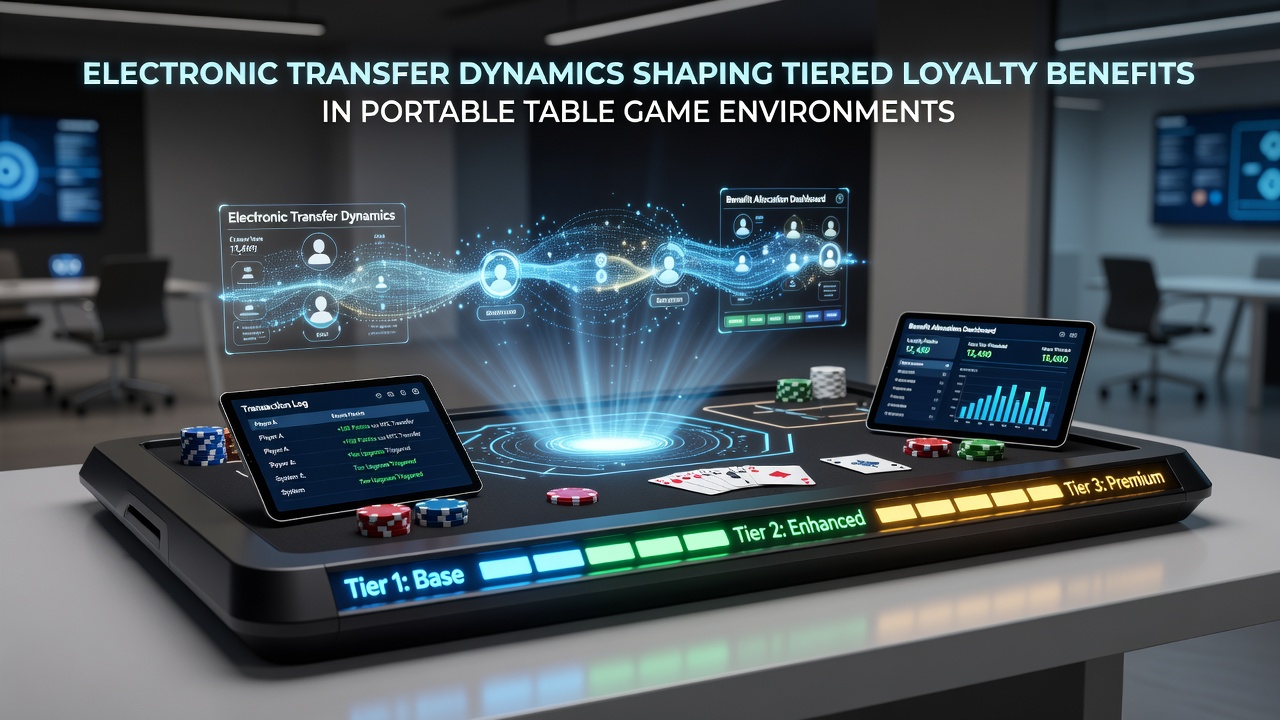
Electronic transfers now sit at the center of how operators build and deliver loyalty tiers for players using mobile devices to access table games such as blackjack, roulette, and poker. Data from industry tracking shows that faster deposit and withdrawal speeds directly influence the speed at which users climb loyalty ladders, unlock personalized perks, and maintain engagement across handheld platforms. Those who study transaction logs note that seamless fund movements reduce friction points that once slowed reward accumulation.
Payment rails including instant bank transfers, digital wallets, and cryptocurrency options allow operators to record activity in real time, which feeds directly into algorithms that assign tier status. Research from gaming analytics firms indicates that players who complete deposits under ten seconds reach silver or gold tiers 30 percent faster than those relying on traditional card processing that takes several minutes. This timing gap matters because loyalty systems award points based on both wager volume and account activity frequency.
Transaction Speed and Tier Progression
Portable table game environments rely on continuous data streams between payment processors and loyalty engines. When an electronic transfer clears quickly, the system logs the deposit, credits teh account, and immediately applies multiplier bonuses tied to the player’s current tier. Observers note that delays longer than thirty seconds often push users to pause sessions, which interrupts the chain of consecutive activity that many programs require for monthly tier maintenance. Figures from platform operators reveal that same-day withdrawal approvals correlate with higher retention rates in platinum and diamond segments.
One study of mobile table play across multiple jurisdictions found that integration of instant settlement options increased the average number of hands played per session by 22 percent. This uptick occurs because players no longer wait for funds to appear before joining live dealer tables. The result appears in loyalty dashboards where point balances update within seconds rather than after batch processing cycles that used to run overnight.
Regional Data and Platform Comparisons
Regulatory filings from the Nevada Gaming Control Board show that mobile table game revenue grew 18 percent year-over-year through the first half of 2026, with electronic transfer adoption rising alongside it. Similar patterns appear in reports from the Australian Communications and Media Authority, where portable platforms that emphasize instant deposits report elevated loyalty program participation. These datasets highlight that cross-border players often select operators based on transfer reliability rather than game variety alone.
Operators adjust tier thresholds quarterly using aggregated transfer data. When average deposit times drop below five seconds, programs frequently raise the qualifying wager amounts needed for the next level, keeping the structure balanced against increased player volume. This adjustment process keeps reward costs predictable while still delivering perceived value to users who move funds rapidly.

August 2026 Developments
In August 2026, several major platforms introduced synchronized loyalty updates that trigger immediately after successful electronic transfers complete. These updates include instant tier previews and provisional bonus credits that convert to permanent status once withdrawal confirmations clear. Analysts tracking these rollouts report that early adoption metrics show a measurable lift in table game handle during evening peak hours when most instant transfers occur.
Security protocols around these transfers have also tightened. Multi-factor authentication paired with device fingerprinting now runs in the background, allowing legitimate transfers to proceed without adding visible steps that could slow the experience. Data indicates that platforms applying these layered checks experience fewer chargebacks while still preserving the quick confirmation times that drive loyalty point accrual.
Cross-Platform Reward Pathways
Portable table environments increasingly share loyalty data with slot and live casino modules on the same account. An electronic transfer initiated on a mobile blackjack table can therefore contribute to tier progress visible across all verticals. This interconnected structure means a single deposit influences reward eligibility everywhere the player chooses to engage. Industry reports document that operators using unified ledgers see higher cross-format play compared with siloed systems that require separate funding steps.
Payment providers have responded by offering white-label APIs that push real-time status updates directly into loyalty databases. These integrations reduce the lag that previously separated deposit confirmation from point posting. The outcome shows up in dashboards where players view updated tier meters within the same screen session rather than after logging out and back in.
Conclusion
Electronic transfer dynamics continue to redefine how tiered loyalty benefits function inside portable table game settings. Faster settlement times, real-time data sharing, and synchronized reward engines together create pathways where deposit behavior directly shapes access to higher-level perks. As platforms refine these connections through 2026 and beyond, the relationship between payment speed and loyalty progression remains a central factor in mobile table game design and operation.