Electronic Fund Transfers as Catalysts for Cross-Format Bonus Activation Sequences
Written by Sofia Frank · Aug 7, 2026
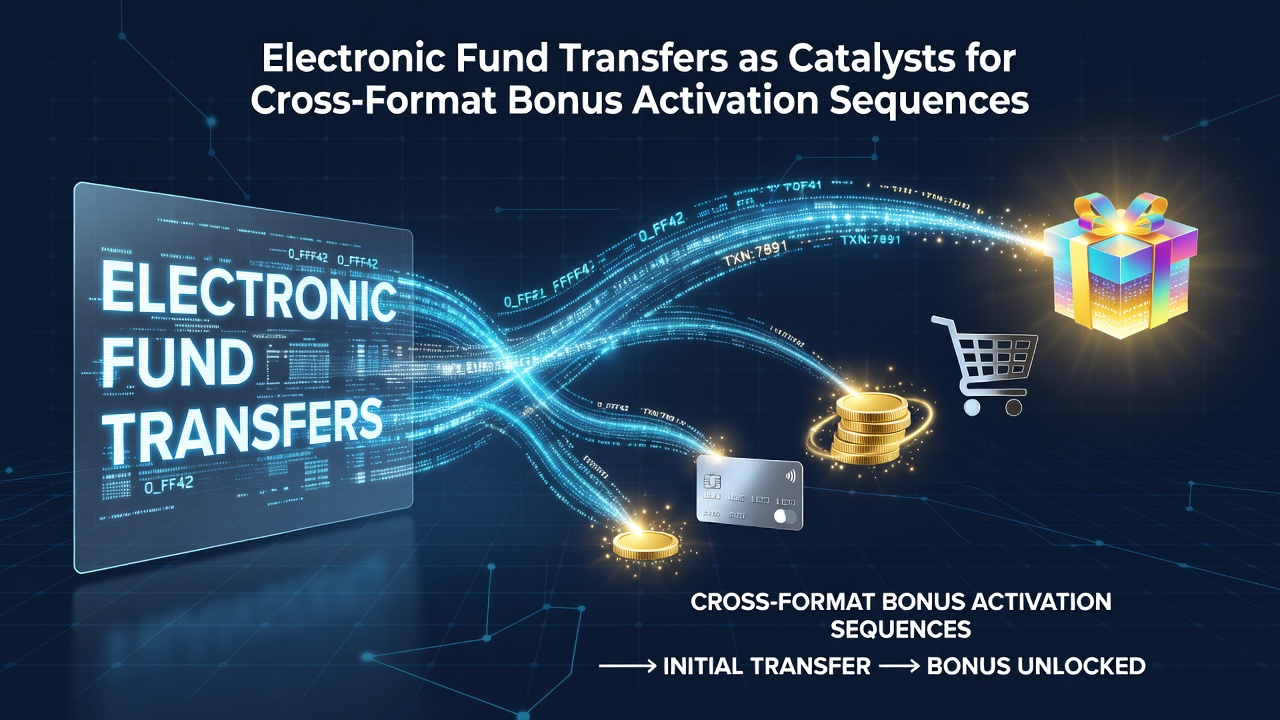
Electronic Fund Transfers as Catalysts for Cross-Format Bonus Activation Sequences
Electronic fund transfers have become central to how bonus activation sequences operate across slots, live dealer tables, and mobile interfaces in regulated gaming environments. Operators integrate these transfers to move funds instantly between player accounts and platform ledgers, which in turn triggers eligibility checks for layered promotions that span different game types. Data from industry reports shows that platforms using real-time EFT protocols record higher rates of cross-format engagement compared with slower settlement methods.
Mechanics of EFT Integration in Gaming Platforms
Payment processors connect directly to gaming management systems so that a completed transfer registers within seconds rather than hours. This timing matters because many bonus structures include time-sensitive conditions that activate only after a deposit clears. Observers note that systems relying on automated reconciliation between banking rails and casino databases reduce the window between fund arrival and bonus credit issuance. Those who have examined transaction logs across multiple operators find that sub-second verification steps correlate with increased player movement from slots into live tables within the same session.
Security protocols built into EFT frameworks also feed into compliance modules that verify player status before releasing promotional credits. Regulatory frameworks in several jurisdictions require these checks, and platforms that embed them at the transfer stage avoid manual reviews that delay activation. Research indicates that operators adopting unified APIs for both payments and rewards tracking achieve more consistent application of bonus rules across formats.
Cross-Format Sequences Triggered by Transfers
Once funds arrive via EFT, algorithms evaluate the deposit amount against predefined tiers that unlock sequences spanning reels, card tables, and handheld sessions. A single transfer can satisfy wagering requirements that then propagate credits usable on progressive jackpot slots before shifting to live roulette or blackjack streams. Figures from platform analytics reveal that sequences initiated this way often extend session length because players encounter fresh incentives at each format transition.
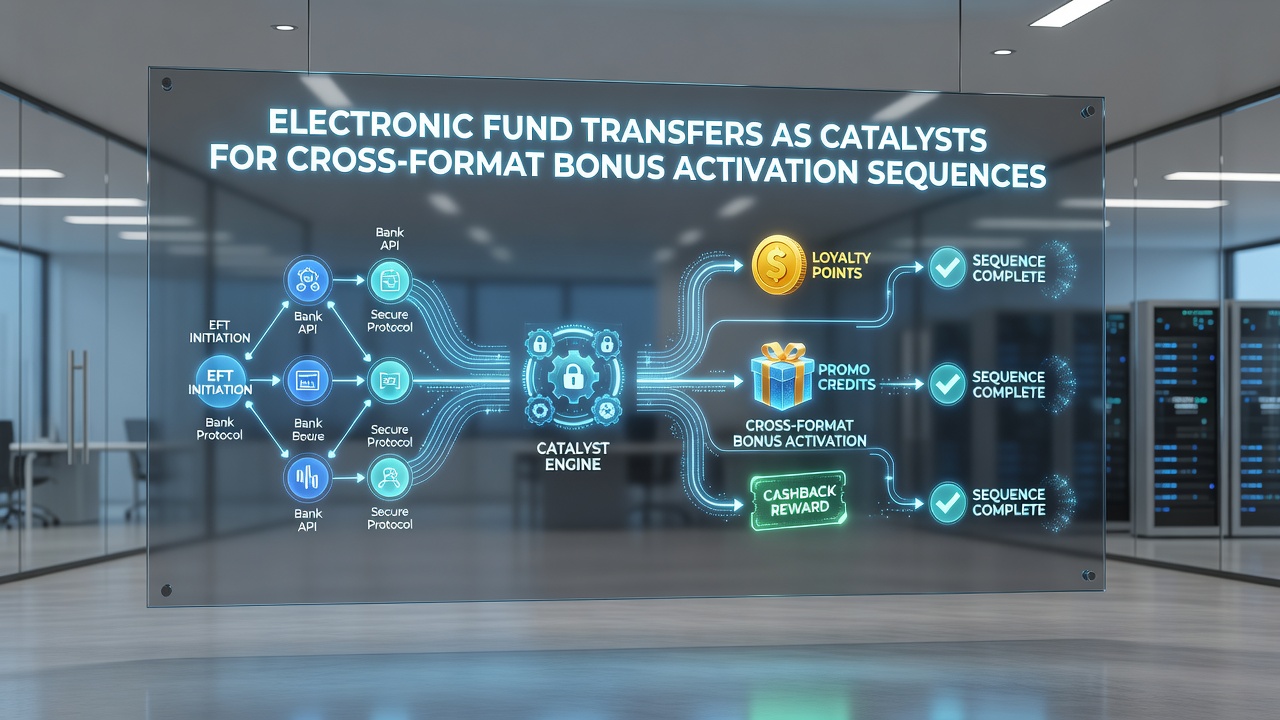
Take one operator that linked its EFT gateway to a progressive loyalty engine; players depositing through this channel received immediate access to free-spin packages on mobile slots that carried over as table-side match bonuses when they joined live dealer rooms. The same transfer record updated handheld interfaces so that subsequent bets contributed to a shared multiplier visible across all three environments. Studies tracking these pathways show measurable lifts in retention metrics when activation happens without manual intervention.
Regulatory and Technical Considerations in 2026
By August 2026, several North American and European regulators had updated guidelines requiring audit trails that tie each EFT to subsequent bonus redemptions across formats. These rules emphasize traceability so that random number generator outcomes and reward escalations remain synchronized. Platforms that maintain separate ledgers for payments and promotions risk non-compliance, whereas integrated systems satisfy oversight bodies more readily.
Industry associations such as the European Gaming and Betting Association have published position papers on how standardized transfer protocols support responsible gaming tools, including real-time spend limits that apply uniformly whether a player switches between slots and live tables. Meanwhile, data compiled by the Responsible Gambling Council in Canada highlights that faster fund movement can amplify both positive and negative play patterns, prompting operators to embed additional safeguards at the transfer verification stage.
Observed Patterns Across Markets
Markets with mature EFT infrastructure, such as those using instant bank transfers alongside card rails, demonstrate more fluid movement between game categories. One study of Australian operators found that deposits cleared through the New Payments Platform triggered bonus sequences that carried eligibility from online slots directly into live-streamed table games without requiring players to navigate separate menus. Similar patterns appear in Canadian provincial systems where electronic transfers feed into centralized player accounts that track activity across desktop, mobile, and in-venue kiosks.
Technical teams at these operators report that the key lies in timestamp synchronization: each transfer carries metadata that the rewards engine uses to confirm eligibility before releasing credits. When this metadata aligns with format-specific rules, players experience seamless activation rather than fragmented offers that reset upon switching devices or game types.
Conclusion
Electronic fund transfers continue to shape how bonus activation sequences unfold across diverse gaming formats by providing the speed and data integrity required for automated eligibility checks. Regulatory updates expected through 2026 reinforce the need for traceable links between transfers and cross-format rewards, while technical integrations already in place demonstrate measurable effects on player pathways. Platforms that align payment processing with reward logic maintain consistent sequences that span slots, live tables, and mobile interfaces without interruption.